
Transforming Education: Designing Outdoor Spaces for Modern Learning
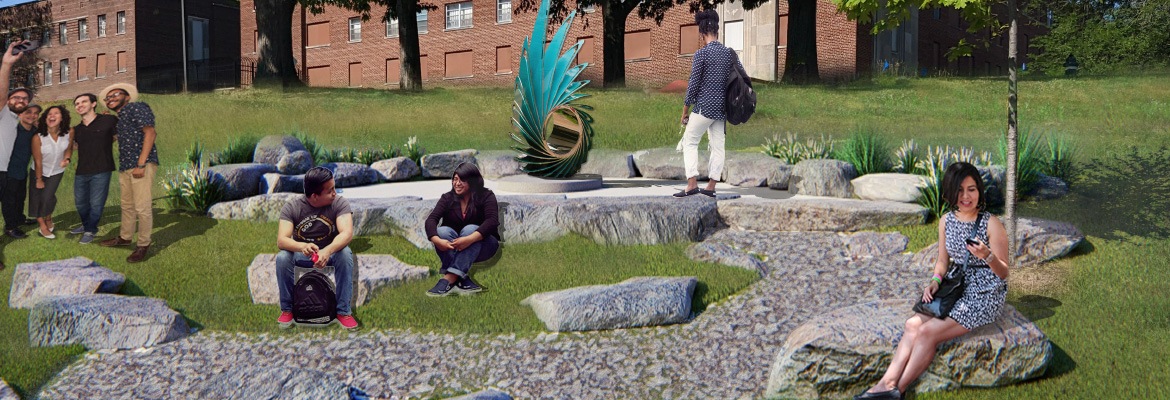
Educational environments are evolving. Across both higher education and K-12 campuses, there is a growing shift toward spaces that support flexibility, collaboration, and real-world engagement. One of the most notable changes is the increased focus on outdoor learning environments.
What was once considered supplemental is now becoming essential.
A Shift in How Learning Happens
The traditional classroom model has been redefined in recent years. The rise of virtual learning, combined with lessons learned during COVID-19, pushed institutions to rethink how and where learning takes place.
Outdoor spaces have emerged as a practical and forward-thinking solution. They offer flexibility, can be more cost-effective to implement and maintain, and create opportunities to extend learning beyond four walls. More importantly, they provide students and educators with adaptable environments that support a variety of teaching and learning styles.
Bringing the Classroom Outside
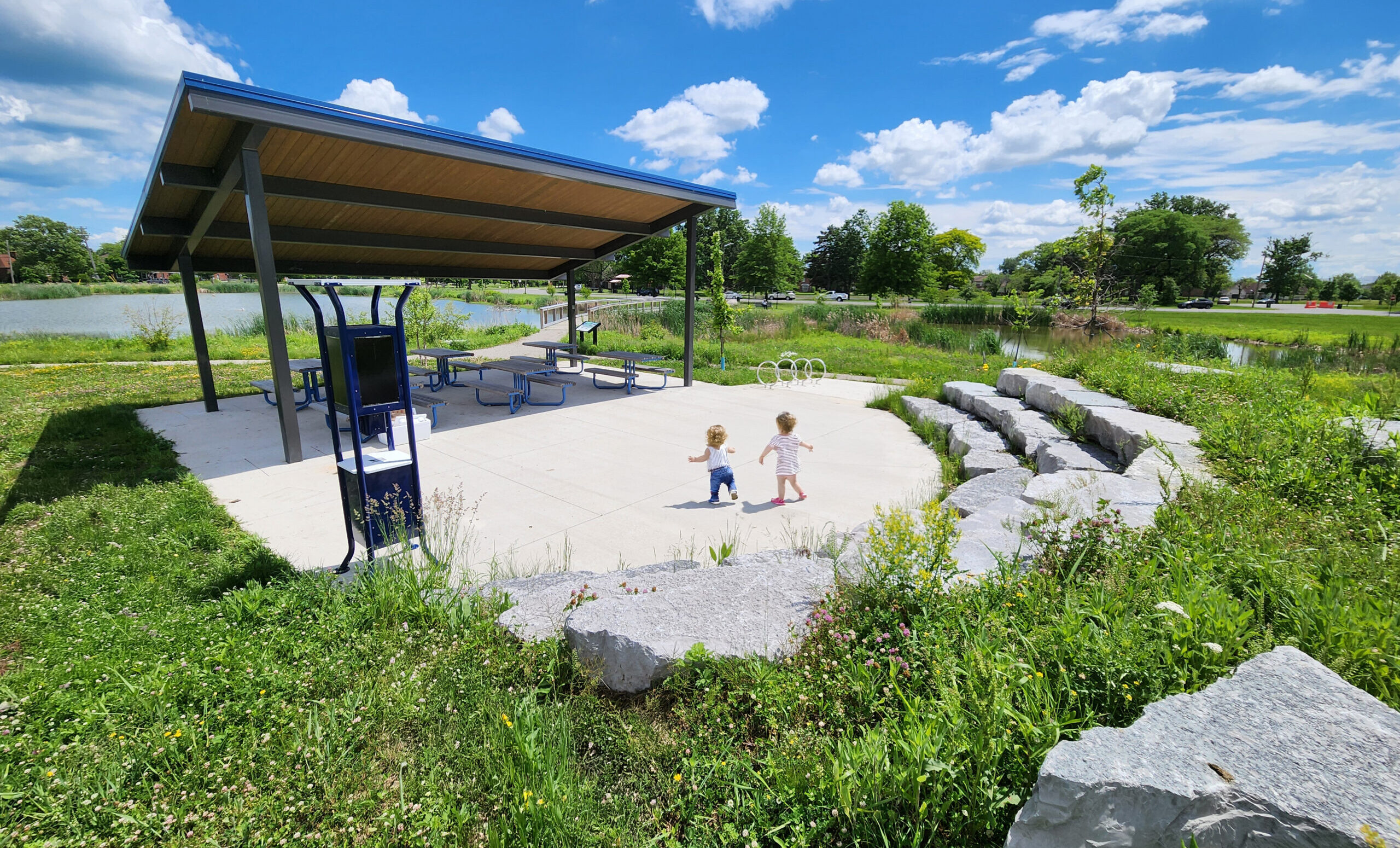
Today’s outdoor learning environments are designed to function as true extensions of the classroom.
Features like Wi-Fi access, charging stations, and flexible seating allow students to stay connected and engaged, just as they would indoors. These spaces are not just open areas. They are intentionally designed to support both structured instruction and informal collaboration.
From small, quiet zones for individual study to larger gathering areas for group work and discussion, outdoor environments can accommodate a wide range of uses throughout the day.
Designing for Experience and Function
Effective outdoor spaces balance usability with experience.
Thoughtful design considers how people will move through and interact with a space. It also looks at how environmental factors such as sunlight, wind, and seasonal changes impact comfort and usability.
Incorporating natural elements and multi-sensory features can further enhance the experience. These spaces not only support learning but also create opportunities for students to connect with their surroundings in meaningful ways.
Supporting Well-Being and Inclusivity
Outdoor environments play an important role in supporting student well-being.
Access to fresh air, natural light, and open space has been shown to improve focus, reduce stress, and support overall mental health. At the same time, these spaces must be designed to be safe, accessible, and inclusive for all users.
Elements such as lighting, visibility, seating arrangements, and clear wayfinding all contribute to creating environments where students and staff feel comfortable and supported.
Looking Ahead
As expectations for educational environments continue to evolve, outdoor spaces will play an increasingly important role in campus design.
By creating flexible, functional, and engaging outdoor environments, institutions can better support modern learning while enhancing the overall campus experience.
At PEA Group, we approach these spaces with a focus on how they will be used, experienced, and maintained over time, helping clients create environments that support both learning and community.
For More Information
